
Mortal Company: Co-op Horror
AlexKos DevAdventure
4.5846.00 Reviews
- Version
- 0.2.2
- Installs
- 1.00M
- Age Rating
- Teen
Screenshots
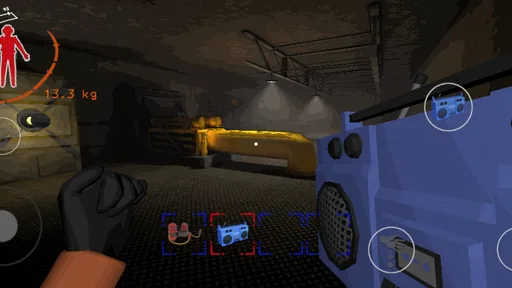
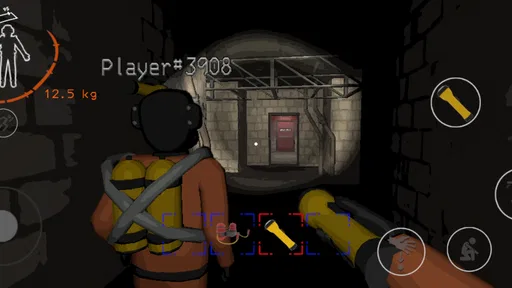
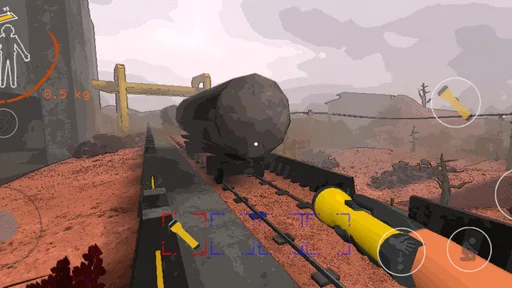
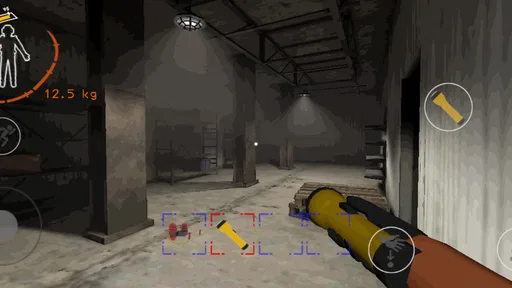
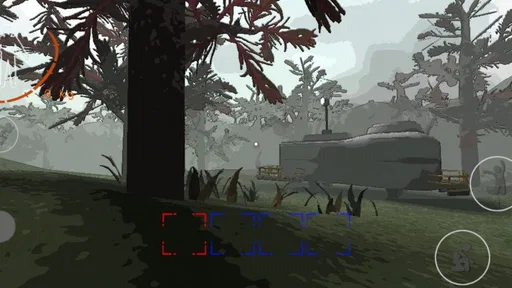
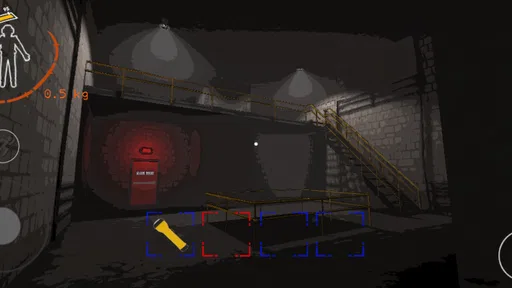
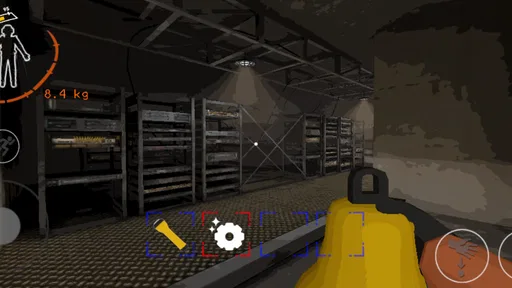
Our Review of Mortal Company: Co-op Horror
 Analysis by Appyee
I went into Mortal Company: Co-op Horror expecting a quick multiplayer scare, but its strongest hook is more practical than that: every outing gives the group a job to organize. You are not simply wandering through a frightening place and hoping to survive. The store summary frames the experience around surviving, collecting scrap, and meeting a quota, with room for one to six players. That combination gives each match a clear purpose, even when the plan falls apart.
It is a free adventure game from AlexKos Dev, aimed at Teen players, and it has already passed one million installs. I can see why it has found an audience. The basic idea is easy to understand before the first round, yet the cooperation required to execute it creates plenty of room for mistakes, panic, and memorable moments. My overall impression is that it works best as a social horror game for people who enjoy making imperfect plans with friends, rather than as a solitary atmospheric adventure.
Why the first few runs feel immediately understandable
The early goal is refreshingly direct. The group needs to enter, gather scrap, and work toward its quota while staying alive. That structure avoids the slow opening that can affect story-heavy horror games, where the player spends a long time learning controls or waiting for the main threat to appear. Here, the objective gives everyone something useful to do almost immediately.
That clarity matters in a multiplayer game. One player can focus on searching, another can keep an eye on danger, and someone else can help decide whether the team should continue or leave with what it has. The game does not need a complicated explanation to create those roles. The quota itself turns every item into a decision: is the next piece of scrap worth the risk of going farther?
I especially like how this setup makes communication part of the game rather than an optional extra. A quiet player can still contribute by remembering where useful scrap was found or warning the group when the situation feels unsafe. A more confident player may naturally take the lead, but the objective remains shared. That makes the game approachable for friends who have different experience levels with horror titles.
The first sessions also reveal an important trade-off. Collecting is satisfying only while the team feels capable of escaping. Once the group has enough material to make the quota seem realistic, greed becomes the main source of tension. Going back for one more item can improve the result, but it can also erase the progress already made. That is a stronger foundation for replay than a simple “reach the end” objective because the pressure comes from the players’ own choices.
For someone deciding whether to try it, the key question is not whether they enjoy horror in general. It is whether they like horror built around shared tasks. If you prefer a carefully scripted solo story, this may feel too dependent on group behavior. If you enjoy coordinating under pressure, the basic loop is easy to appreciate from the start.
What the team learns after the novelty fades
After the first surprise has worn off, the game’s progress signals become more important. The quota provides a visible measure of success, while the scrap collected during a run gives the group a concrete sense of how far it has come. Even without turning the experience into a conventional role-playing game, those markers help players understand whether a session is going well.
The most useful progress is not always a permanent reward. Sometimes it is simply better judgment. A group begins to recognize when it is spreading out too much, when a search has become inefficient, or when the remaining target is not worth the danger. That kind of learning is easy to overlook in a store description, but it is what gives repeated matches their shape. The team gradually becomes more disciplined, even when the game does not make that improvement feel like a formal achievement.
I found that the quota also changes the way players remember a failed run. A defeat is not just a scary ending; it is evidence that the group mismanaged time, distance, or risk. That makes a rematch more appealing because there is usually a specific adjustment to try. The best sessions therefore have a natural rhythm: attempt, discuss what went wrong, change the plan, and attempt again.
There is a limit to this kind of progression, though. Players who need a long list of unlocks, equipment upgrades, or character development may find the experience less rewarding once they understand the central loop. The available information establishes survival, scrap collection, and quota completion as the core of the game, so I would not approach it expecting a deep progression ladder. Its progress is mainly about improving the team’s decisions and getting better at handling pressure.
That distinction affects who should download it. It is a good fit for a group that enjoys mastering a repeatable challenge. It is a weaker fit for someone who wants a constant stream of new abilities or a large personal collection to build. I would also think twice if you usually play mobile games in very short, interrupted bursts, because the experience makes more sense when the group can stay focused on one shared attempt.
How the difficulty grows through decision-making
The difficulty curve is interesting because the tension does not depend only on stronger threats or more complicated rules. The quota creates a gradual increase in pressure by forcing the team to balance ambition against survival. Early on, simply finding scrap may feel like the main task. Later, the harder question is whether the team can safely take another step toward the target.
This gives the game a useful form of difficulty that comes from judgment rather than memorization. A cautious team may leave with less than it hoped for but preserve the chance to try again. An overconfident team may collect more and still lose everything by staying too long. Neither approach is automatically correct, which keeps the group talking and makes the outcome feel earned.
Playing with more people can also change the challenge in ways that are not purely beneficial. A larger group may cover more ground and share responsibility, but it can also become harder to keep everyone informed. One person moving ahead can create confusion for the rest. With fewer players, each decision carries more weight, and the team may need to be more conservative. The one-to-six-player range makes the game flexible, but it also means the experience will depend heavily on the group size and communication style.
This is where I think the game differs from many conventional adventure alternatives. A typical mobile adventure may emphasize exploration, puzzles, or a linear sequence of discoveries. Mortal Company: Co-op Horror instead makes coordination the main source of challenge. It is closer to a shared risk-management exercise wrapped in horror than to a traditional solo quest. If you want a predictable path and full control over the pace, another adventure game may suit you better.
The horror also works differently from a purely cinematic game. The fear is connected to practical concerns: losing collected scrap, separating from the group, or making the wrong call about when to leave. That may be less effective for players who want elaborate storytelling, but it is more engaging for players who enjoy being responsible for a team outcome. The danger matters because it interferes with a goal the players understand.
A realistic evening with the game
Imagine three friends meeting online after work. Nobody wants to commit to a long campaign, so they start a run with a simple plan: search together, keep the quota in mind, and avoid unnecessary risks. The first few minutes are spent finding scrap and learning how the group naturally moves. One person is more cautious, another is eager to explore, and the third keeps pushing everyone to continue.
Once the team has collected enough to feel close to its target, the mood changes. Returning immediately would be sensible, but there is still a tempting opportunity nearby. The cautious player argues for leaving, while the others believe the extra scrap will make the effort worthwhile. That small disagreement is exactly where the game’s pacing becomes effective. The group is no longer reacting only to horror; it is negotiating with its own appetite for progress.
If the attempt fails, the post-match conversation has a clear subject. Perhaps the group stayed too long, separated at the wrong moment, or treated a promising route as safer than it really was. If it succeeds, the satisfaction comes from having made the right call under pressure. This is a realistic use case for the game: a compact social activity where the conversation between attempts is almost as important as the action during them.
For solo players, the situation is less attractive. The game’s central appeal is built around cooperation, and the advertised player range makes that clear. I would not choose it as my first option for a quiet, individual horror session. It makes more sense when I have friends available and want a game that gives us a shared problem instead of asking each person to follow the same story alone.
What keeps players returning, and where the pressure can wear thin
The strongest retention pressure comes from unfinished business. A failed run leaves a group thinking about what it could do differently, while a narrow success can encourage one more attempt to improve the result. Because the quota is understandable, players do not need a complicated reward screen to know why they want to play again. They want to prove that the next run can be cleaner.
That motivation is most effective when the group is still discovering better habits. Teams can experiment with staying together, dividing attention more carefully, or setting a point at which they will stop collecting. These are small tactical adjustments, but they produce meaningful changes in how a session feels. My practical tip is to agree on a retreat rule before starting. For example, decide that the team will leave once it has enough scrap, rather than debating the same question in the most dangerous moment.
Another useful habit is to treat every player as a source of information, not just as another body searching for items. A teammate who noticed a risky area can be more valuable than one who simply moves quickly. Calling out discoveries clearly also reduces the confusion that can occur when several people explore at once. The game’s cooperative structure rewards concise communication more than constant chatter.
There is a trade-off in this design. The same loop that makes the game easy to replay can eventually feel narrow for players who want broad variety. If the group stops learning from its mistakes, collecting scrap and meeting the quota may become routine rather than tense. The experience is therefore likely to stay freshest when players vary their approach, rotate who leads, and avoid treating every run as a race for maximum collection.
I also would not recommend it to anyone looking for a relaxed, low-stakes multiplayer game. Even though it is free to start, the core activity is built around pressure and possible failure. The Teen content rating is a useful signal for the intended tone, but the more important personal question is whether you enjoy being startled, rushed, and occasionally blamed by your own plan. Friends who dislike losing shared progress may find the tension frustrating rather than entertaining.
Mobile practicality, cost, and the version to consider
The game is free, which makes trying it with a group straightforward. There are in-app purchases ranging from ninety-nine cents to nine dollars and ninety-nine cents per item. I would treat those purchases as optional spending rather than part of the reason to begin. The core decision is whether the multiplayer horror loop suits you; paying for an item will not change the fact that the game depends on cooperation, communication, and willingness to repeat failed attempts.
It supports devices running Android six or later, so compatibility should cover a broad range of phones and tablets. That said, multiplayer horror is sensitive to practical distractions. A small screen, noisy surroundings, or an unstable session can make communication and awareness harder than they would be in a quiet room. I would use headphones when possible and play with the group’s voice communication agreed in advance, because unclear instructions can feel like a gameplay problem even when the real issue is coordination.
The current version is 0.2.2, which is worth keeping in mind when setting expectations. I see it as a game that is still presenting a focused foundation rather than a finished, content-heavy adventure universe. That is not automatically a weakness: a compact loop can be enjoyable when its decisions are sharp. It does mean I would judge it by the quality of its repeated runs, not by expecting the breadth of a large premium adventure.
Its average rating is 4.5 from around twenty-nine thousand ratings, alongside more than eight hundred written reviews. Those figures suggest that the basic concept has connected with a substantial audience, but they should not replace personal judgment. A popular cooperative game can still be a poor match for someone who plays alone, dislikes repeated failure, or wants a story-first experience.
My verdict on the progression and the right audience
My final view is that Mortal Company: Co-op Horror succeeds because its goals are simple enough to understand and tense enough to support repeated play. Scrap collection gives each run a purpose, the quota creates a clear progress signal, and survival turns every extra decision into a meaningful gamble. The pacing is strongest when the team has almost achieved its target and must decide whether ambition is worth the danger.
The progression is less about unlocking a huge range of new systems and more about developing better group behavior. That will satisfy players who enjoy learning through failure, refining a route, and improving communication. It may disappoint players who measure progress mainly through new characters, gear, story chapters, or permanent upgrades. I would choose a more traditional adventure game for those expectations.
My recommendation is simple: play it with friends who enjoy making plans that can go wrong. Start with a small, clear objective, agree on when to retreat, and talk about decisions rather than only reacting to scares. If your group likes that kind of shared pressure, the free entry point makes this an easy game to test. If you want a solo narrative, a calm exploration experience, or a deep long-term progression system, I would skip it and choose an alternative built around those strengths instead.
For me, the lasting appeal is not the promise of endless content; it is the moment when a team has just enough scrap, hears the pressure rising, and has to choose between safety and one final push. That decision gives the adventure its identity. AlexKos Dev has built a focused multiplayer horror game whose best rewards come from cooperation, restraint, and the stories that emerge when a sensible plan stops being sensible.
Verdict
Strengths of Mortal Company: Co-op Horror
- Chaotic co-op moments make each expedition entertaining with friends.
- Simple controls are easy to learn, even for casual mobile players.
- Randomized dangers help keep repeated missions from feeling identical.
- Voice chat improves coordination during tense exploration segments.
- The compact mission structure suits short gaming sessions.
Limitations of Mortal Company: Co-op Horror
- Playing with strangers can be difficult without reliable communication.
- Some scares lose impact after repeated encounters and familiar patterns.
- Performance may vary on older phones during busy scenes.
- Progress can feel limited once the main objectives become familiar.
- The horror atmosphere is less effective when teammates constantly joke around.
Similar Picks in This Category
View All
Roblox
Roblox Corporation4.2

Pokémon GO
Niantic, Inc.3.5

Ninja warrior: legend of adven
TOH Games4.6

Ninja Arashi
Black Panther4.6

Eyes - The Horror Game
Fearless Games sp. j.4.5

Critical Action:Gun Strike Ops
FPS Shooter & Action Game4.3
Frequently Asked Questions
What is Mortal Company: Co-op Horror?
Mortal Company: Co-op Horror is a multiplayer horror game focused on teamwork, exploration, and survival. Players enter dangerous environments together, search for valuable items or objectives, and try to escape while dealing with frightening threats. Its appeal comes from combining tense horror moments with cooperative gameplay, making communication and coordination just as important as quick reactions.
Can I play Mortal Company: Co-op Horror alone, or does it require friends?
The game is designed primarily around cooperative play, so playing with friends or other online teammates provides the most enjoyable experience. Depending on the available matchmaking options and current version, solo play may be possible, but it can feel considerably more difficult and less engaging. Before downloading, players who prefer single-player horror should check the latest store description for supported modes.
Does Mortal Company: Co-op Horror support online multiplayer?
Yes, online cooperation is one of the main features of Mortal Company: Co-op Horror. Players can generally join a session with other people and work together to complete objectives, collect resources, and survive the dangers in each location. A stable internet connection is recommended, since connection problems, high latency, or inactive teammates can make exploration and escape much more challenging.
Is Mortal Company: Co-op Horror suitable for children?
Mortal Company: Co-op Horror is aimed at players who enjoy suspense, frightening encounters, dark environments, and horror-themed gameplay. It may include disturbing visuals, sudden scares, threatening creatures, and stressful survival situations. Parents should review the age rating, store information, and any user-generated communication features before allowing younger players to download it, especially when online interaction is involved.
Is Mortal Company: Co-op Horror free to download, and does it contain purchases or advertisements?
The download model and available monetization can vary by platform and may change with updates. The game may be offered as a free download while including advertisements, optional purchases, cosmetic items, or other paid features. We recommend checking the Google Play or App Store listing before installing, paying particular attention to the current price, in-app purchase details, permissions, and device requirements.
Play our best games!


